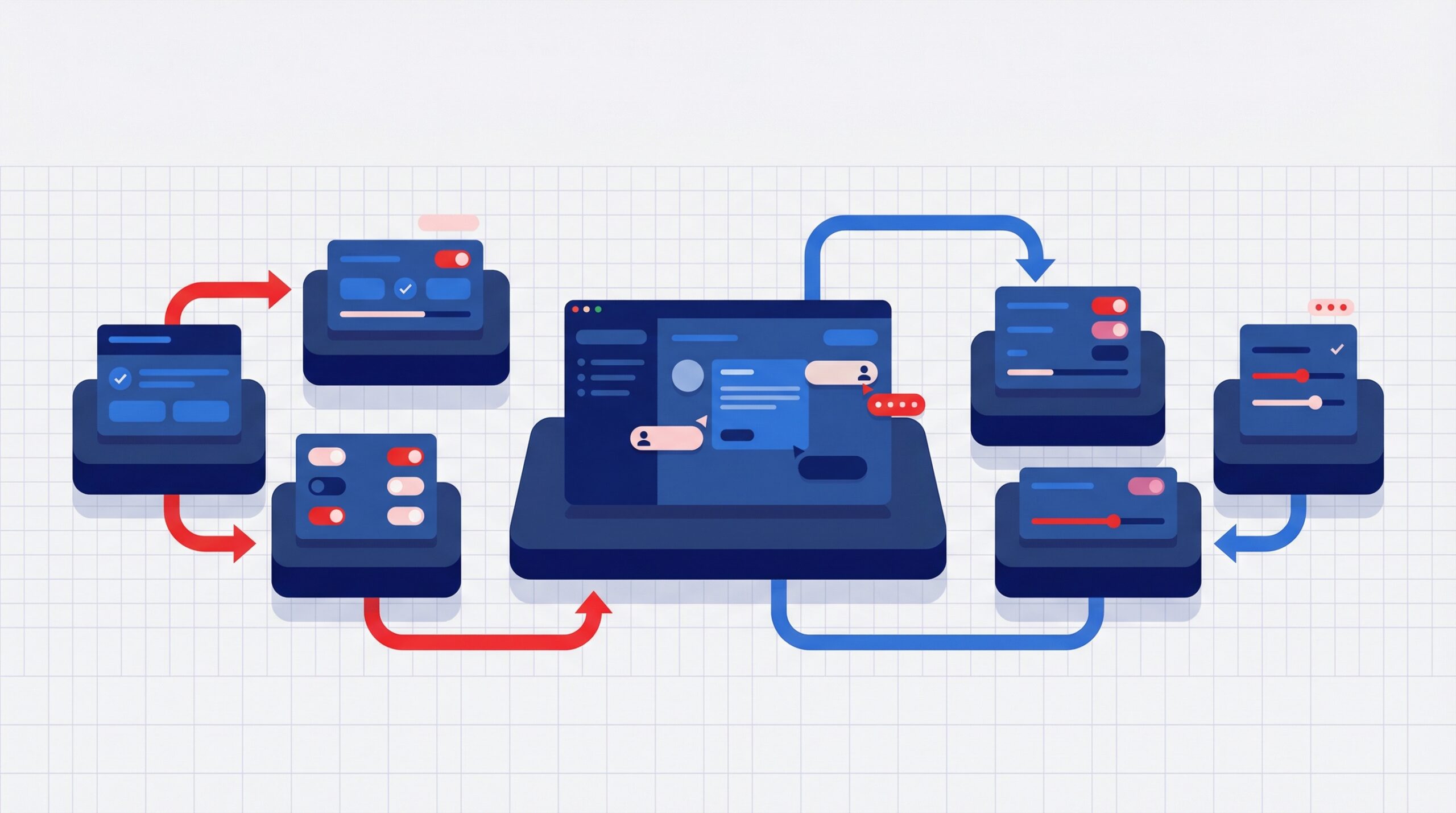
The Essential Role of Manual Testing in the Era of Automation

Automated testing tools have undeniably transformed the quality assurance (QA) landscape, allowing repetitive tasks to be executed swiftly and with precision. However, despite the rise of these powerful tools, manual testing remains a critical component of the QA process. Understanding why manual testing retains its importance is essential for achieving a balanced and thorough approach to software quality.
Balancing Automation with Human Insight in QA
While automated testing has revolutionized quality assurance by executing repetitive tasks quickly and consistently, relying solely on automation can leave gaps in the software experience. Human testers bring critical thinking, creativity, and contextual understanding that machines cannot replicate. They assess usability, spot subtle issues, and adapt to unexpected scenarios – insights that go beyond whether the code passes a test. By balancing automation with human insight, teams can achieve not just technically sound software, but a product that truly delights users and aligns with business goals.
Why Manual Testing Still Matters: Key Advantages You Can’t Automate
Manual testing provides unique benefits that automated tools cannot fully replicate. From leveraging human intuition to conducting exploratory testing, manual testers bring flexibility, adaptability, and immediate feedback to the QA process. They excel in handling complex scenarios, ensuring thorough coverage, and offering cost-effective solutions in early project stages. The following five points highlight why manual testing remains an indispensable complement to automation.
1. Human Insight and Intuition
Automated testing tools are excellent at performing predefined tasks, but they lack the human ability to think creatively and intuitively. Manual testers bring a unique perspective that can uncover issues an automated script might miss. They can identify usability concerns, evaluate the overall user experience, and adapt to unexpected behaviours during testing. This human element is crucial for understanding how real users will interact with the software, ensuring a more user-friendly product.
2. Exploratory Testing
One of the significant advantages of manual testing is the ability to conduct exploratory testing. Unlike automated tests that follow a specific script, exploratory testing involves testers actively exploring the application without predefined test cases. This approach allows testers to discover new defects by mimicking real-world usage scenarios. Exploratory testing is particularly valuable during the early stages of development when the application is still evolving and needs continuous feedback.
3. Handling Complex Test Scenarios
Some test scenarios are too complex to automate effectively. These scenarios often involve intricate workflows and conditional logic or require a high degree of human judgment. Manual testing excels in these situations, as it allows testers to apply their understanding and adaptability to navigate through complex processes, ensuring comprehensive coverage of the application.
4. Immediate Feedback and Adaptability
Manual testers provide developers with immediate feedback, fostering better team communication and collaboration. This real-time interaction is essential for quickly addressing issues and making iterative improvements. Additionally, manual testing is adaptable and can easily pivot when requirements change, or new features are introduced, whereas updating automated test scripts can be time-consuming.
5. Cost-Effectiveness in Initial Stages
For startups and smaller projects, the initial investment in automated testing tools and the creation of automated test scripts can be prohibitive. Manual testing provides a cost-effective solution during the early stages of development. It allows teams to focus resources on critical areas and gradually introduce automation as the project matures.
Conclusion
In conclusion, while automation has revolutionized the QA process, manual testing remains indispensable. It complements automated testing by bringing human insight, adaptability, and creativity into the testing process. By leveraging the strengths of both manual and automated testing, software development teams can ensure a higher quality product that meets user expectations and stands out in a competitive market.
FAQs
1. Why is human insight important in manual testing?
Human insight allows testers to think creatively and intuitively, uncovering issues that automated scripts might miss. Manual testers can evaluate usability, overall user experience, and adapt to unexpected behaviors, ensuring the product is user-friendly.
2. What is exploratory testing and why is it valuable?
Exploratory testing is a manual testing approach where testers actively explore the application without predefined test cases. This allows discovery of new defects and provides real-world usage insights, particularly useful during early development stages.
3. How does manual testing handle complex scenarios?
Manual testing excels in complex test scenarios involving intricate workflows, conditional logic, or high human judgment. Testers can navigate these processes flexibly, ensuring comprehensive coverage where automation might fall short.
4. How does manual testing provide immediate feedback?
Manual testers communicate issues to developers in real time, enabling quick fixes and iterative improvements. This adaptability allows teams to respond promptly to changing requirements or new feature introductions.
5. Is manual testing cost-effective for small projects?
Yes, for startups and smaller projects, manual testing is cost-effective. It avoids the upfront investment required for automated testing tools and scripts while focusing resources on critical areas. Automation can be introduced later as the project grows.
6. Why should manual and automated testing be used together?
Manual testing complements automated testing by adding human insight, adaptability, and creativity. Combining both approaches ensures thorough coverage, higher quality software, and a better user experience in a competitive market.
More on DevOps
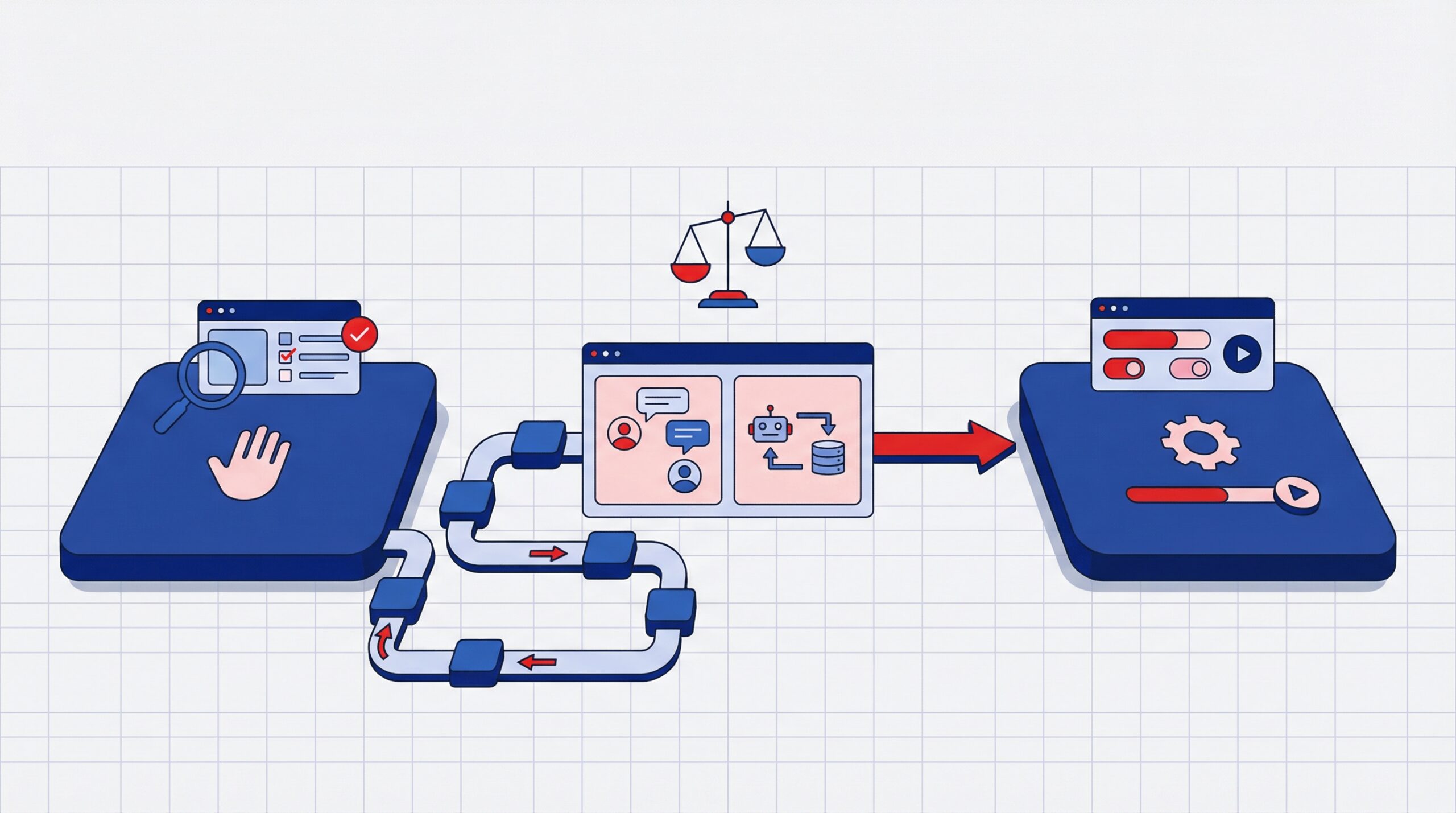
Manual vs Automated Testing: Choose the Best Fit for Your Product