
Legacy Application Risks Every Enterprise Must Address
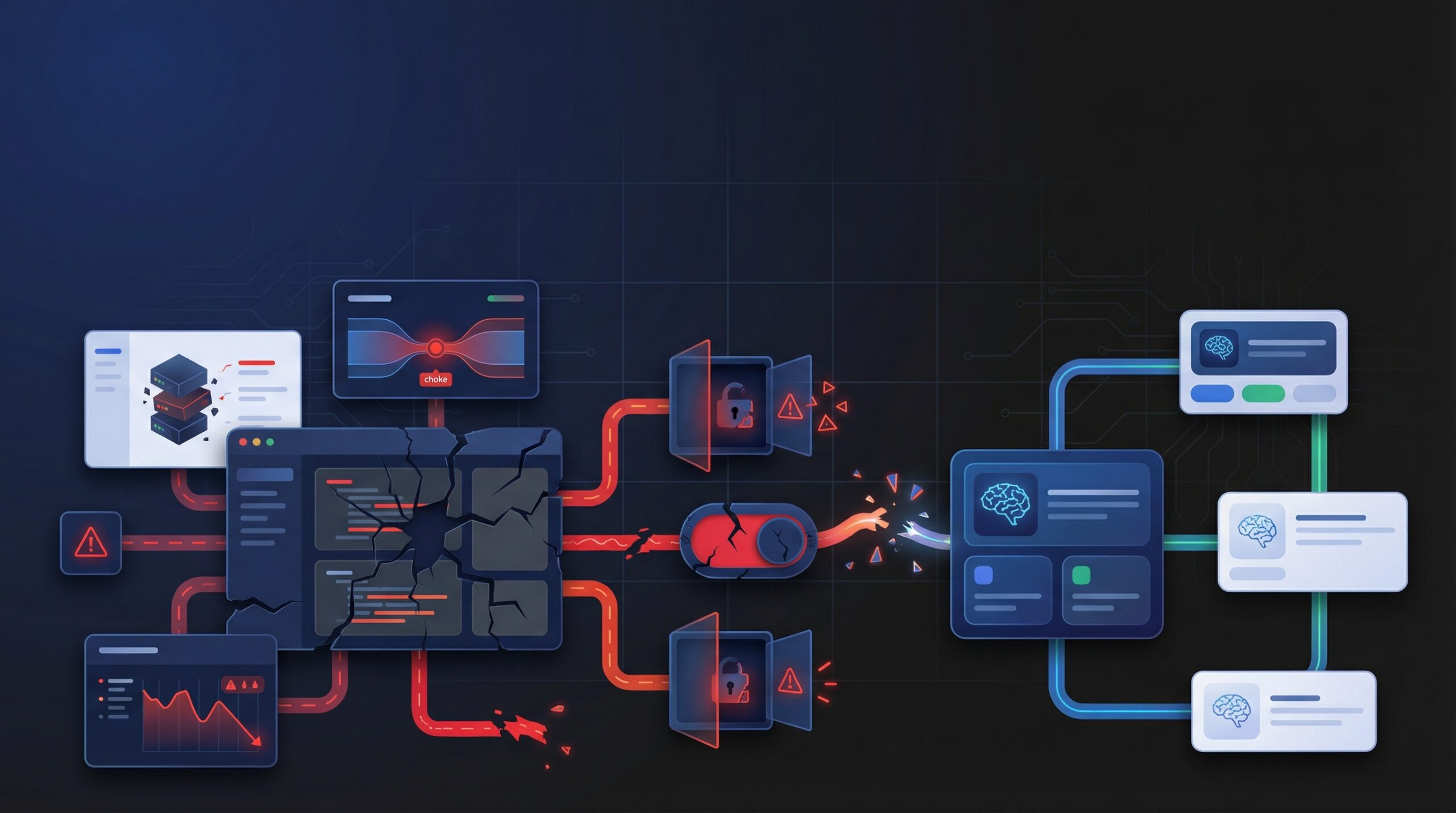
Legacy applications are foundational for many enterprises. They support core business functions, hold valuable data, and reflect years of organizational knowledge. Yet, these systems often pose significant risks that companies overlook until challenges become urgent. From security gaps to maintenance costs, legacy systems can erode competitive advantage without proper oversight.
This article explores the top hidden risks linked to legacy software, why they matter, and how modernisation efforts help enterprises move forward with agility and resilience.
1. Legacy Application Risks Explained
Legacy applications are older software systems that remain in use because they still deliver essential business value. These systems may be custom built or vendor supplied. They often operate on outdated platforms, lack vendor support, and are hard to integrate with modern tools.
Enterprises underestimate legacy risks when they focus only on functionality rather than the broader impacts on security, compliance, cost efficiency, and innovation.
2. Security Vulnerabilities in Aging Systems
Legacy systems frequently miss modern security controls. Code hardened years ago may not defend against current threats.
Common Security Risks
- Lack of encryption for data at rest or in motion
- Outdated libraries with known exploits
- Unsupported operating systems without security patches
- Weak authentication and access control
According to the Verizon 2024 Data Breach Investigations Report, vulnerability exploitation – often involving unpatched systems – was a key factor in many modern security breaches, highlighting the risks enterprises face with older or unsupported software.
Enterprises with legacy systems often struggle to apply modern safeguards because those systems were not designed to support them. This increases the likelihood of breaches with severe business consequences.
3. Operational Inefficiencies and Performance Bottlenecks
Legacy systems can slow down business operations when they cannot scale or support real-time data needs.
Operational Risks
- Slow performance under peak loads
- Manual workarounds due to lack of automation
- Poor user experience inside internal processes
- Barriers to integrating with cloud and modern services
These inefficiencies directly impact productivity and can lead to delayed decision making when data flows are inconsistent or difficult to access.
4. Compliance and Regulatory Exposure
Legacy systems often predate modern regulatory requirements such as GDPR, CCPA, and industry specific mandates.
Compliance Challenges
- Difficulty enforcing audit trails
- Manual processes leading to incomplete records
- Lack of controls required by regulatory frameworks
- Difficulty demonstrating proof of compliance
A compliance failure can result in regulatory penalties, legal exposure, and loss of customer trust. For enterprises in regulated industries, this risk alone justifies proactive planning for modernisation.
5. Rising Maintenance and Technical Debt Costs
As legacy systems age, the cost of maintaining them increases unpredictably. These costs consume IT budgets that could otherwise fuel innovation.
Cost Drivers
- Specialist skills required to support old code
- Custom patches and workarounds
- Hosting on unsupported infrastructure
- High cost of quick fixes versus strategic updates
Technical debt accumulates when postponing necessary upgrades or refactoring work. Over time, this debt becomes a barrier to enterprise agility.
6. Risks to Business Continuity and Disaster Recovery
Legacy applications often lack robust disaster recovery plans. In many organisations, failover strategies are incomplete, or backups are not tested regularly.
This puts enterprises at risk of prolonged outages in the event of system failure, natural disaster, or cyber incident. Without a resilient recovery plan, revenue loss and operational disruption can be significant.
7. Approaches Enterprises Use to Mitigate Legacy Risks
Modernisation strategy starts with risk assessment and business prioritisation.
Key Approaches
Assessment and Prioritisation
Evaluate risks based on business impact rather than age alone.
Incremental Modernisation
Break down modernisation into phases rather than a big-bang rewrite.
API Enablement and Integration Layers
Wrap existing systems with APIs to enable data sharing and reduce coupling.
Cloud Migration and Platform Rationalisation
Move workloads to platforms that support security, scalability, and automation.
Automated Testing and DevOps
Introduce automated quality checks to reduce regression risk as systems evolve.
These approaches help enterprises transition without disrupting ongoing operations.
Conclusion
Legacy applications will remain part of many enterprise landscapes. However, ignoring the hidden risks presents strategic blind spots. Security vulnerabilities, rising costs, compliance exposure, and outdated operational models have real business implications.
A structured risk assessment coupled with a modernisation roadmap improves agility, reduces exposure, and strengthens an organisation’s ability to serve customers and innovate with confidence.
FAQs
1. What defines a legacy application?
A legacy application is an older software system that continues to perform critical business functions but is built on outdated technologies. These systems are often difficult to maintain, scale, or integrate with modern platforms and tools.
2. Why are legacy systems more vulnerable to security breaches?
Legacy systems frequently lack modern security controls and may rely on unsupported platforms or outdated software. As a result, known vulnerabilities remain unpatched, increasing exposure to cyber threats and data breaches.
3. How does legacy software affect operational performance?
Aging applications can slow down business processes, require manual workarounds, and restrict seamless data flow across systems. This leads to inefficiencies, operational bottlenecks, and reduced overall productivity.
4. What compliance risks do legacy applications pose?
Legacy systems may lack proper audit trails, data governance controls, and policy enforcement mechanisms. These gaps make it difficult to meet regulatory requirements, increasing the risk of compliance failures and penalties.
5. Is it more expensive to maintain a legacy system than to modernise it?
In many cases, yes. Ongoing maintenance, reliance on scarce specialist skills, and temporary workarounds often result in higher long-term costs compared to investing in a structured, planned modernisation strategy.
6. What steps should enterprises take before modernising legacy systems?
Enterprises should begin with a thorough risk and dependency assessment, clearly define business priorities, select appropriate modernisation approaches, and plan incremental changes. This reduces disruption while ensuring a smooth transition to modern architectures.