
Integrating Manual and Automated Testing for Holistic Product Quality Assurance

Introduction
Delivering high-quality products requires more than just a great development team. At AcmeMinds, we believe that combining manual and automated testing is essential to achieving comprehensive product quality. While automated testing speeds up repetitive tasks, manual testing adds the human touch to uncover usability issues that algorithms may miss. In this article, we explore the synergy between these two approaches and how they contribute to an optimized product development lifecycle.
Why Quality Assurance Needs Both Manual and Automated Testing
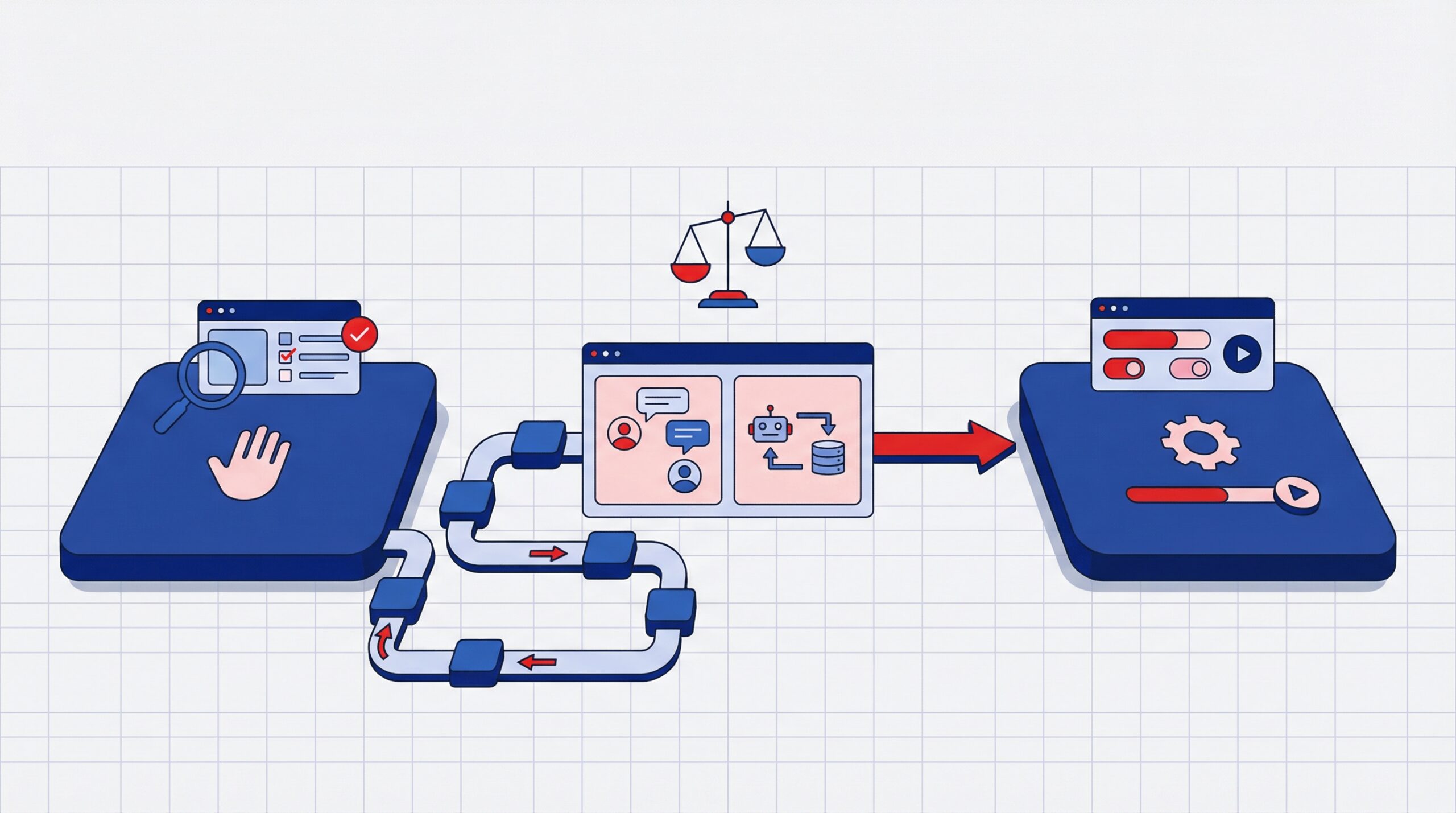
No single testing method can cover every scenario. Automated testing is great for efficiency and consistency, but manual testing offers flexibility and intuition. The key to achieving holistic product quality lies in leveraging both methods strategically.
- Automated Testing: Ideal for repetitive, time-consuming, and large-scale tests (like regression and performance testing). It helps ensure stability with every code release.
- Manual Testing: Perfect for exploratory, usability, and ad-hoc testing. It catches subtle bugs that automated scripts might overlook, such as design inconsistencies and user experience flaws.
When these two methods work together, they create a balanced testing environment, ensuring both speed and depth in quality assurance.
Benefits of Combining Manual and Automated Testing
- Comprehensive Coverage
Manual and automated tests complement each other, ensuring all areas of the product – from backend logic to front-end user experience – are tested. - Increased Productivity
Automated tests run overnight or during deployment cycles, freeing QA teams to focus on creative testing, usability assessments, and troubleshooting complex scenarios. - Risk Mitigation
Automated tests ensure that existing functionalities remain intact after new changes. Manual testing uncovers new edge cases, reducing the risk of unexpected failures. - Faster Time-to-Market
With automated testing handling repetitive tasks and manual testers focusing on critical areas, teams can identify and resolve issues faster, leading to quicker releases.
When to Use Manual vs. Automated Testing
| Scenario | Manual Testing | Automated Testing |
| Exploratory Testing | ✔️ | ❌ |
| Regression Testing | ❌ | ✔️ |
| Usability and UI Testing | ✔️ | ❌ |
| Load and Performance Testing | ❌ | ✔️ |
| One-Time or Ad-Hoc Scenarios | ✔️ | ❌ |
| Continuous Integration (CI) | ❌ | ✔️ |
Knowing when to apply each method is crucial. Exploratory testing, for instance, requires human insight and creativity, while automated testing is best for routine checks like regression tests.
How AcmeMinds Implements Integrated Testing
AcmeMinds follows a collaborative testing framework where manual and automated testing work hand-in-hand:
- Test Planning and Strategy:
Our QA experts identify which tests are best suited for automation and which require manual attention. - Continuous Integration and Testing:
Automated tests are integrated into our CI/CD pipeline to ensure every code change triggers immediate quality checks. - Manual Testing for Critical Releases:
Before key releases, manual testers perform exploratory and usability testing to ensure the product meets user expectations. - Ongoing Monitoring and Feedback:
We continuously refine our test suites based on feedback from users and development teams to stay aligned with product goals.
These testing methodologies, combined with skilled testers, enable us to deliver high-quality products consistently.
Conclusion
At AcmeMinds, we understand that product quality isn’t achieved by relying on just one testing method. By integrating manual and automated testing, we ensure that our products are both stable and user-friendly. The blend of efficiency and human insight allows us to identify potential issues early, improve user experience, and maintain a rapid development pace.
Whether you are a developer, product owner, or stakeholder, integrating both testing approaches into your workflow ensures a more robust product that meets customer expectations. That’s the AcmeMinds way—combining the best of both worlds for unbeatable product quality.
FAQs
1. Why is it important to combine manual and automated testing?
Combining manual and automated testing ensures comprehensive quality assurance. Automated testing delivers speed and consistency for repetitive tasks, while manual testing brings human judgment to identify usability issues, design flaws, and edge cases that tools may miss.
2. What types of testing are best suited for automation?
Automated testing is best suited for regression testing, performance testing, load testing, and continuous integration workflows. These tests are repetitive, time-consuming, and require consistent execution across multiple releases.
3. When should manual testing be prioritized?
Manual testing should be prioritized for exploratory testing, usability and UI validation, ad-hoc scenarios, and critical releases. These areas require human intuition, creativity, and real-user perspective.
4. How does a hybrid testing approach improve time-to-market?
A hybrid testing approach speeds up delivery by allowing automated tests to handle repetitive checks while manual testers focus on critical and complex scenarios. This parallel workflow helps teams detect and fix issues faster, enabling quicker and more reliable releases.
5. Does combining manual and automated testing reduce project risks?
Yes, automated testing protects existing features from breaking after updates, while manual testing uncovers new edge cases and usability risks. Together, they significantly reduce the likelihood of unexpected failures in production.
6. How does AcmeMinds implement integrated testing strategies?
AcmeMinds designs customized testing strategies by identifying which tests to automate and which require manual execution. By integrating automated tests into CI/CD pipelines and performing manual testing for critical releases, we ensure stable, user-friendly, and high-quality software.
More on DevOps
Manual vs Automated Testing: Choose the Best Fit for Your Product