Why Legacy Modernization Can’t Wait
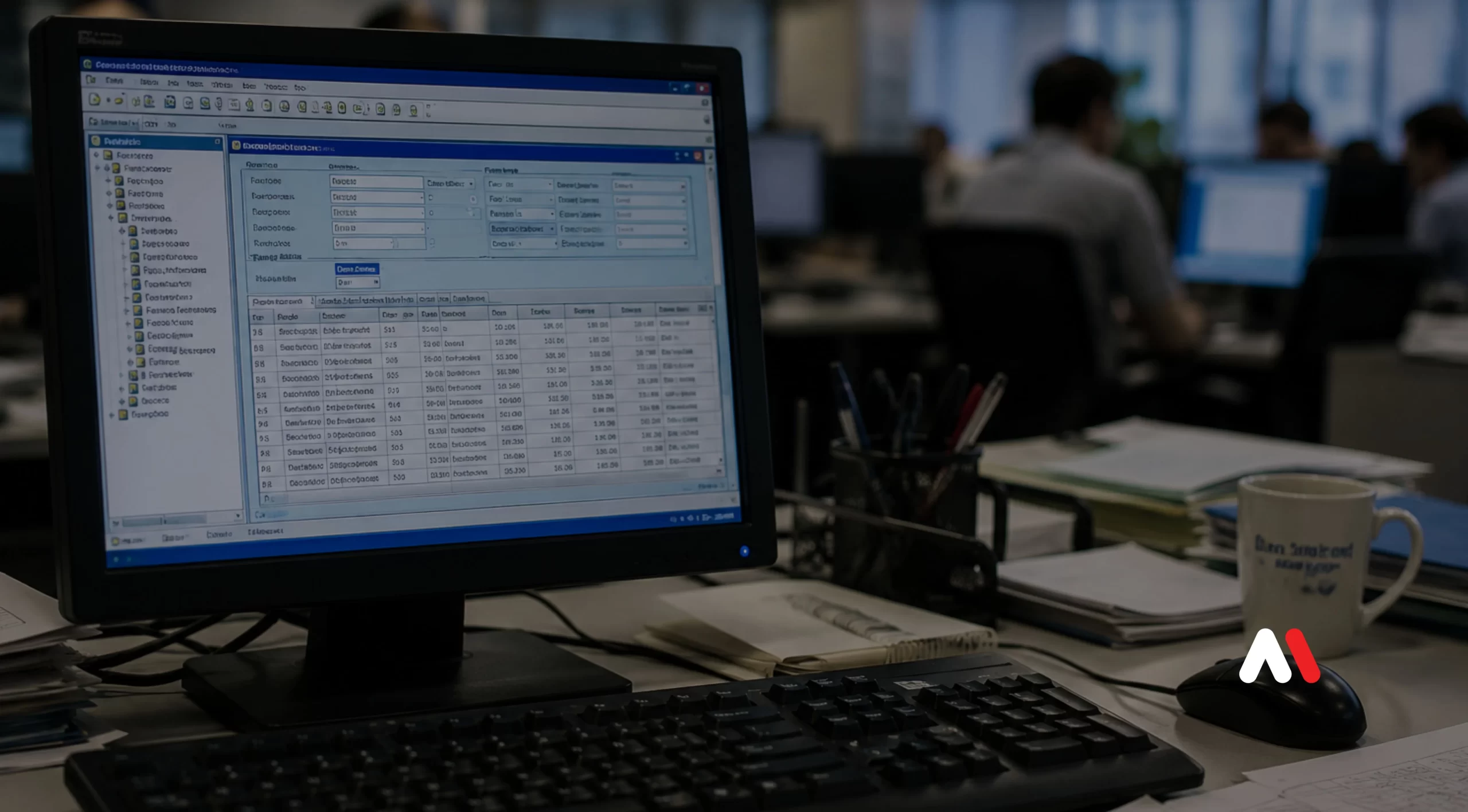
Legacy systems are rarely ignored because leaders do not see the problem. They are delayed because the system still runs, the business cannot afford disruption, and a full replacement feels expensive.
Those concerns are valid. They are also why modernization needs a disciplined plan rather than another year of patches, manual workarounds, and deferred decisions.
At AcmeMinds, we see legacy modernization as a business continuity and growth decision. The objective is not to replace technology for its own sake. It is to protect critical operations while improving the speed, visibility, security, and scalability of the systems people rely on every day.
The Cost of Waiting
Legacy software does not become cheaper to manage simply because it remains familiar. Over time, maintenance work grows, specialist knowledge becomes harder to retain, integrations become more difficult, and teams compensate with spreadsheets, emails, and manual checks.
The visible cost is usually support and maintenance. The higher cost is the time lost when operations, IT, and leadership cannot access reliable information or make changes quickly.
A 2025 Pegasystems study estimated that the average global enterprise loses more than $370 million annually due to technical debt and inefficient modernization processes. The exact number will vary by company, but the direction is consistent: postponing modernization does not eliminate cost. It moves the cost into maintenance, manual work, delayed releases, and missed opportunities.
For most organizations, the decision is not whether there is a cost. It is whether that cost will be managed deliberately or allowed to compound.
Why Businesses Delay Modernization
Business leaders often have good reasons to hesitate. A legacy platform may manage revenue, customer data, policies, inventory, or internal workflows. Changing it without understanding its dependencies can create real operational risk.
The most common concerns include:
- “We cannot interrupt daily operations.” A core system may support customer service, payments, reporting, or field teams. Any modernization plan must protect those functions throughout the transition.
- “A rewrite could become an expensive project with no clear return.” This concern is justified when modernization begins with technology choices instead of business priorities, measurable outcomes, and a defined delivery scope.
- “The current system contains years of business logic.” Legacy software often contains valuable rules, exceptions, and process knowledge that are not documented elsewhere. Replacing the interface without understanding that logic creates avoidable risk.
- “Our teams are already busy.” Internal teams cannot pause operations to become full-time transformation managers. The modernization approach must reduce their burden, not add another large program to their workload.
These concerns call for disciplined discovery, clear priorities, and strong governance. They should shape the modernization plan, not delay the decision indefinitely.
Modernize Without Stopping Operations
Legacy system modernization does not need to mean shutting down a working platform and replacing everything at once.
A safer approach begins by identifying the workflows that are most critical to the business, the data that must remain accurate, and the integrations that cannot fail. From there, teams can modernize in phases while the existing system continues to support day-to-day operations.
A controlled modernization plan typically includes:
- System discovery before development begins. Review the codebase, infrastructure, data model, integrations, error patterns, and user workflows. This creates a practical view of what must be retained, improved, or retired.
- Prioritization based on business impact. Start with the workflows creating the most manual effort, reporting delays, user frustration, or operational risk. This gives the program an early, measurable business case.
- Parallel validation for critical processes. For high-value workflows, validate outputs and data against the existing system before moving users fully to the new experience. This helps preserve continuity and confidence.
- Phased rollout with user feedback. Introduce capabilities to the right user groups in stages, gather feedback, and refine the experience before expanding access across the organization.
A controlled transition protects day-to-day operations while giving the business a clearer path to improve critical workflows over time.
Avoid a Wasteful Rewrite
A full rewrite is not automatically the best legacy modernization strategy.
Some systems need a complete rebuild. Others benefit more from replatforming, API enablement, database modernization, workflow redesign, or a new web experience around proven business logic. The right path depends on the system’s condition and the required business outcome.
A sound modernization program should answer four questions before major build work begins:
- What must stay intact?
Core rules around pricing, commissions, approvals, eligibility, reporting, and exceptions may hold years of business knowledge. Map and validate them before changing the technology around them. - What creates the most business drag?
Focus on the areas causing duplicate data entry, slow approvals, disconnected reporting, or high support effort. These are often the strongest candidates for the first modernization phase. - Which modernization path fits the system?
The answer may be a complete rebuild, a cloud migration, API enablement, database modernization, workflow redesign, or a modern web interface around proven business logic. - What business outcome will prove value?
Define success early through measures such as reduced operational workload, faster reporting, improved release speed, lower support effort, or stronger user adoption.
Modernization becomes wasteful when it is treated as a technology refresh. It creates value when it is tied to a specific operational or growth objective.
What Legacy Systems Hold Back
Legacy platforms can continue processing transactions while quietly limiting what the business can do next.
Faster Operations
When a system cannot route work, surface status, or support timely approvals, teams create informal processes outside the platform. That fragmentation makes accountability harder to track and slows down operational decisions.
Reliable Data and Reporting
Older systems often make real-time visibility difficult. Data may sit in separate tools, reports may require manual preparation, and leadership may spend too much time reconciling numbers before making decisions.
Better Customer and Employee Experience
Outdated desktop software, slow screens, and limited remote access create friction for employees, partners, and customers. A modern web platform can make essential information and workflows available from any device, with clearer navigation and role-based access.
Integration and Automation
Legacy applications often limit how easily a business can connect customer data, financial systems, analytics, and operational tools into one reliable workflow. Modern APIs and scalable architecture make it easier to integrate the systems that support growth.
Security and Maintainability
Unsupported dependencies, limited access controls, and hard-to-update infrastructure increase long-term risk. Modernization gives organizations an opportunity to strengthen security practices, improve auditability, and reduce dependence on fragile technology. For a closer look at the risks enterprises need to assess, read our guide to legacy application risks.
A Real Modernization Example
A legacy desktop application used to manage insurance policies, agent commissions, and payout calculations had become difficult to update and unsuitable for growing operations. The business needed a secure, scalable platform that could provide better access to data for insurers, agencies, and agents.
AcmeMinds began with a full ecosystem audit covering the codebase, infrastructure, error logs, deployment processes, data, and user workflows. This gave the team a clear foundation to retain core commission and payout rules while creating a cloud-ready web platform for policy and commission management.
The modernization program focused on workflow mapping, database design and migration, responsive web platform development, usability testing, and deployment. The result was a modern platform that gave insurers, agencies, and agents clearer reporting, role-based access, and a more efficient way to manage policies, commissions, and payouts.
The project delivered a 50% reduction in operational workload, along with improved scalability, higher user satisfaction, and faster release cycles.
How to Start Safely
The first step is to understand where the current system creates the greatest operational, financial, or customer-facing impact. Technology decisions should follow that assessment, not lead it.
Start with these actions:
- Map the critical workflows. Identify which processes drive revenue, compliance, customer service, or operational delivery. These workflows should guide the modernization roadmap.
- Prioritise the highest-value opportunity. Look for workflows where delays affect revenue, customer service, compliance, or team capacity. Starting with a meaningful business outcome builds confidence in the wider roadmap.
- Define a phased roadmap. Break the work into manageable releases that deliver value without putting core operations at risk.
- Set measurable outcomes. Agree on how success will be evaluated before development starts. This may include workload reduction, faster reporting, improved user adoption, lower maintenance effort, or release speed.
- Choose a partner that understands both technology and operations. Legacy modernization requires more than development capacity. It requires careful discovery, workflow thinking, data discipline, and a delivery plan built around business continuity.
Modernization Is a Business Decision
Waiting can feel safer because the current system is familiar. But every workaround, delayed release, manual report, and difficult integration adds to the cost of staying where you are.
Modernization works best when it is treated as a business program: protect critical workflows, improve the highest-value areas first, and create a platform that can support the next stage of growth.
AcmeMinds helps businesses modernize legacy applications through structured discovery, workflow-led design, secure web platform development, database migration, and staged delivery. We help teams retain the value already built into their systems while creating a more adaptable foundation for future growth.
FAQs
1. What is legacy system modernization?
Legacy system modernization is the process of improving or replacing outdated software so it can better support current business needs. It may include rebuilding an application, moving it to the cloud, modernizing databases, improving integrations, redesigning workflows, or creating a modern web interface.
2. Why should businesses modernize legacy systems?
Businesses modernize legacy systems to reduce maintenance effort, improve security, support integrations, provide better reporting, automate manual work, and make critical software easier to scale as the organization grows.
3. Can legacy systems be modernized without disrupting business operations?
Yes. A phased modernization approach can keep critical operations running while selected workflows, data layers, and user experiences are upgraded. Discovery, parallel validation, staged rollout, and clear rollback planning help reduce disruption.
4. Is legacy system modernization expensive?
The cost depends on the system’s complexity, integrations, data quality, and modernization approach. However, the cost of maintaining an outdated system can also grow through manual work, slow releases, support effort, and missed business opportunities. A phased roadmap helps control investment and prioritize high-value outcomes.
5. Should we rebuild or modernize our existing software?
Not every legacy system needs a full rebuild. The right approach may be replatforming, API integration, database modernization, workflow redesign, or a new user interface around existing business logic. A technical and operational assessment should guide the decision.
6. How long does legacy system modernization take?
Timeline depends on the size of the application, number of integrations, data migration needs, and the scope of the first release. Many organizations reduce risk by starting with a focused phase that addresses the highest-priority workflows before expanding the modernization program.