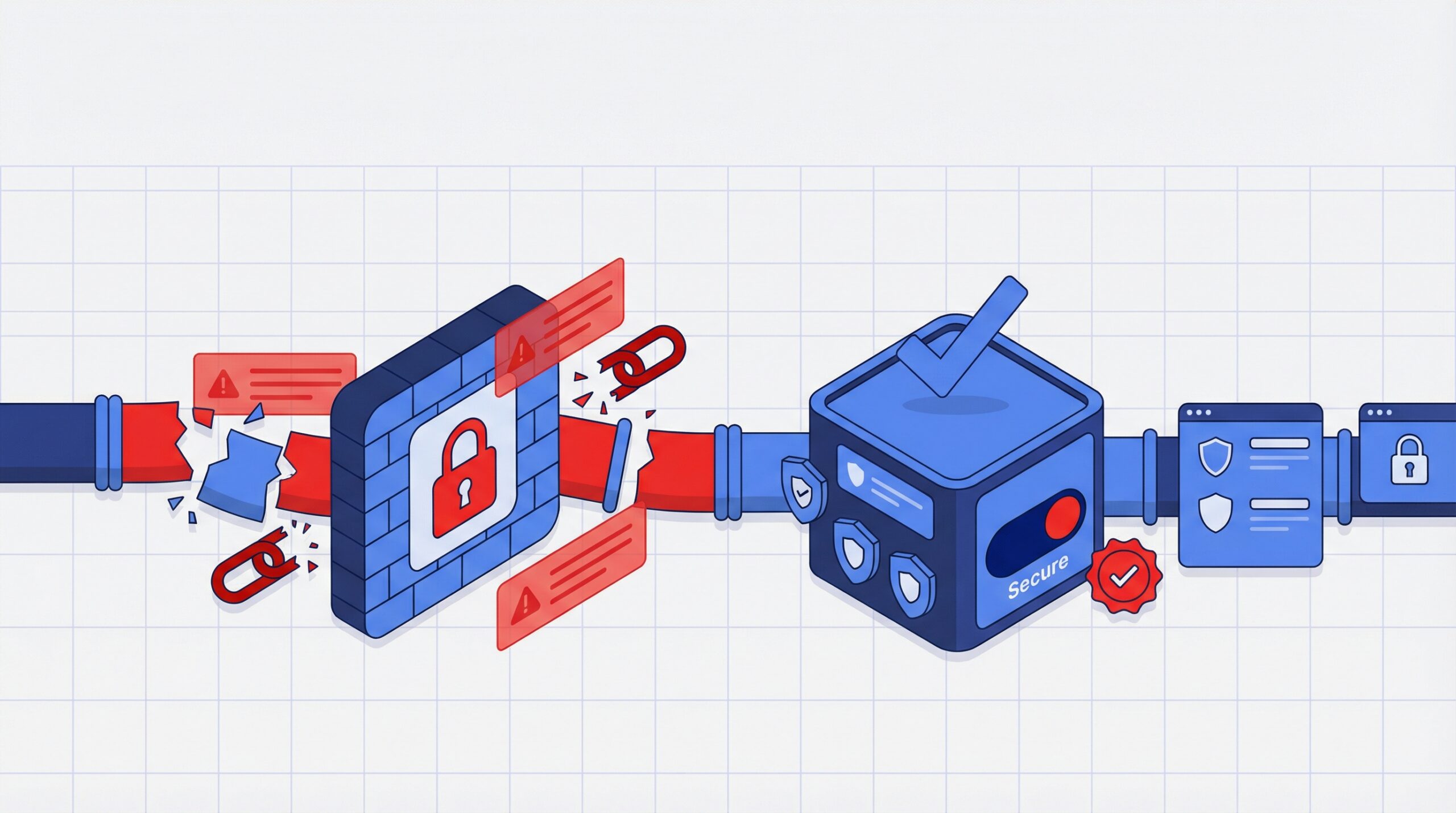
SOC2 Compliance Checklist for SaaS Companies
SOC2 compliance has moved from being a security benchmark to a core business requirement for SaaS companies operating in competitive and enterprise-driven markets.
As organizations increasingly rely on cloud-based platforms to manage critical data and operations, expectations around security, transparency, and compliance have become significantly higher.
This is where SOC2 plays a defining role. It provides a standardized framework to demonstrate that systems are designed and operated with strong security and governance practices. More importantly, it signals to customers and partners that the organization is capable of handling sensitive data responsibly.
However, achieving SOC2 compliance is often misunderstood. Many teams approach it as a documentation exercise or a late-stage requirement before audits. In reality, effective SOC2 readiness depends on how well security, infrastructure, and engineering practices are aligned from the ground up.
This guide breaks down the essential SOC2 compliance checklist for SaaS companies, covering requirements, security controls, audit preparation, and a practical roadmap to achieve readiness efficiently.
What is SOC2 Compliance for SaaS
SOC2 compliance is a security framework that validates how SaaS companies protect customer data, manage system access, and maintain operational integrity.
It is a key requirement for:
- Enterprise SaaS sales
- Vendor onboarding and procurement
- Data security assurance
- Long term customer trust
According to the Thales Data Threat Report 2024, 39 percent of organizations require security certifications such as SOC2 before onboarding SaaS vendors, making compliance a direct driver of revenue readiness.
SOC2 is beyond a security benchmark. It is a business requirement for scaling in competitive SaaS markets.
SOC2 Requirements Checklist
To achieve SOC2 compliance, SaaS companies must implement controls across key operational areas.
Core SOC2 requirements:
- Secure system architecture and infrastructure
- Role based access control and identity management
- Data encryption at rest and in transit
- Centralized logging and monitoring
- Incident response and disaster recovery planning
- Vendor and third party risk management
- Documented security and operational policies
These requirements are derived from SOC2 Trust Services Criteria, with Security being mandatory across all audits.
SOC2 Security Controls You Must Implement
SOC2 audits place strong emphasis on how consistently and effectively security controls are enforced across systems, users, and workflows. It is not enough to define controls. They must be actively implemented, monitored, and measurable across the organization.
Essential controls include:
Access Control
- Least privilege access across all systems to minimize risk exposure
- Multi factor authentication for critical environments and administrative access
- Centralized identity management to ensure consistent access governance
Data Security
- Encryption in transit using secure protocols such as TLS
- Encryption at rest for databases, storage systems, and backups
- Controlled handling and access to sensitive and regulated data
System Monitoring
- Centralized logging infrastructure for unified visibility
- Real time monitoring and alerting for suspicious activity
- Immutable audit trails for tracking user and system actions
Secure Development
- Code reviews and approval workflows for all production changes
- CI/CD pipeline security checks integrated into deployments
- Continuous vulnerability scanning and timely patching
Security controls must be consistently enforced, regularly reviewed, and backed by measurable evidence to meet SOC2 standards and withstand audit scrutiny.
Read – Cybersecurity Essentials for Modern Enterprises
SOC2 Audit Preparation Checklist
SOC2 audits require verifiable and time stamped proof that security controls are not only implemented but consistently followed across systems and processes. Auditors focus on both the presence of controls and the reliability of supporting evidence over time.
What auditors typically look for:
- Access logs and authentication records across all critical systems
- Infrastructure configuration evidence for cloud and network security
- Security policy documentation aligned with actual practices
- Incident response records with documented actions and resolution timelines
- Change management history including approvals, deployments, and rollbacks
How to prepare effectively:
- Maintain continuous logging across systems to ensure traceability
- Document all security policies clearly and keep them updated
- Automate evidence collection where possible to reduce manual gaps
- Conduct internal audits and control reviews before external assessment
Consistent and well organized evidence is critical for a successful audit. Strong preparation not only reduces the risk of audit failure but also shortens audit timelines and improves overall compliance confidence.
Real World SOC2 Implementation Case
SOC2 readiness becomes significantly more efficient when security is embedded into the platform from the start. This is especially critical in healthcare, where systems handle sensitive patient data and are subject to strict compliance and trust requirements.
At AcmeMinds, security and compliance are built into engineering practices from inception. In a healthcare platform engagement, the product was designed with a strong cybersecurity foundation to support both regulatory expectations and future SOC2 compliance.
From early development stages, the platform incorporated structured access control, secure cloud configurations, and data protection mechanisms aligned with industry standards. Logging and monitoring systems were implemented alongside core functionality, ensuring that system activity was traceable and audit-ready as the platform evolved.
Key Security Foundations Implemented
- Role-based access control with least privilege enforcement
- Encryption for sensitive healthcare data across storage and transmission
- Centralized logging and real-time monitoring for system visibility
- Secure cloud architecture with controlled environment access
- Continuous tracking of system activity for audit readiness
Outcome and Business Impact
Because security was embedded early, the platform achieved SOC2 readiness within a 90-day window, without requiring major architectural changes or operational disruption.
This approach enabled:
- Faster alignment with SOC2 audit requirements
- Strong protection of sensitive patient and operational data
- Improved visibility across infrastructure and user activity
- Increased trust with enterprise partners and stakeholders
In healthcare environments, where data breaches can have severe regulatory and reputational consequences, this level of readiness is not optional. It directly impacts the ability to scale, partner, and operate securely.
View case study – Strengthening Healthcare Compliance with End-to-End Security & HIPAA–SOC 2 Readiness
What SaaS Companies Should Take Away
Embedding security into the development lifecycle changes how compliance is achieved.
- Reduces the need for costly rework before audits
- Ensures systems continuously generate audit evidence
- Accelerates enterprise readiness and compliance approvals
When SOC2 principles are integrated from day one, compliance becomes a natural extension of engineering rather than a separate effort.
Read – Healthcare Cybersecurity & Compliance Guide
SOC2 Compliance Roadmap
A structured SOC2 roadmap helps SaaS companies move from initial security setup to audit-ready maturity in a predictable and efficient way.
0 to 30 Days
This phase focuses on establishing the foundational security and governance layer required for SOC2 readiness.
- Define core security policies aligned with SOC2 requirements
- Implement identity and access management (IAM) controls
- Establish baseline cloud security configurations across environments
- Set initial access restrictions and role based permissions
30 to 60 Days
This stage strengthens operational visibility and integrates security into engineering and vendor workflows.
- Set up centralized logging and monitoring systems
- Implement real time alerting and security event tracking
- Integrate security checks into development and CI/CD workflows
- Review and assess third party vendors for compliance risks
60 to 90 Days
The final phase focuses on validation, evidence collection, and readiness verification before external audit.
- Collect and organize audit ready compliance evidence
- Conduct internal SOC2 readiness review and gap analysis
- Address remaining control gaps across systems and processes
- Simulate audit scenarios to validate preparedness
SOC2 readiness is achieved through consistent execution across all phases rather than a one time implementation effort. Organizations that follow a structured roadmap are able to reduce audit friction, improve control maturity, and accelerate enterprise readiness.
Common SOC2 Mistakes to Avoid
Many SaaS companies struggle with SOC2 readiness or experience audit delays due to preventable gaps in security implementation and operational discipline. These issues are rarely related to the absence of tools, but rather inconsistent enforcement of controls across systems and teams.
Most common gaps:
- Excessive user access permissions that violate least privilege principles
- Missing or incomplete audit logs that reduce system traceability
- Weak secrets and key management practices across environments
- Lack of clearly documented and maintained security policies
- Inconsistent security enforcement across engineering and operations teams
Addressing these issues early in the development lifecycle significantly improves audit readiness. It reduces last minute remediation efforts, shortens compliance timelines, and increases the likelihood of a smooth SOC2 audit process.
Final Takeaway
SOC2 compliance is not a one-time certification effort but a continuous discipline that strengthens both security posture and long-term business credibility. When implemented correctly, it becomes an integral part of how SaaS platforms are designed, built, and scaled rather than a separate compliance exercise.
For SaaS companies, SOC2 readiness directly impacts:
- Enterprise deal conversion and procurement approvals
- Customer trust, confidence, and long-term retention
- Sustainable scalability in security-driven markets
Organizations that treat SOC2 as part of core engineering discipline rather than a compliance checkbox consistently achieve faster growth and stronger positioning in enterprise markets.
At AcmeMinds, cybersecurity is embedded into product engineering and infrastructure design from the ground up. Through its cybersecurity services, AcmeMinds helps SaaS companies build secure, audit-ready systems by aligning architecture, development workflows, and operational practices with industry compliance standards. This ensures that security and compliance are not retrofitted, but engineered into the foundation of digital products from inception.
FAQs
1. What is included in a SOC2 compliance checklist?
A SOC2 checklist includes requirements for access control, data security, logging, incident response, vendor management, and policy documentation.
2. How long does SOC2 compliance take?
SOC2 readiness typically takes 3 to 6 months depending on system maturity and availability of security controls and documentation.
3. What are the main SOC2 requirements for SaaS?
The main requirements include secure infrastructure, identity and access management, encryption, monitoring systems, incident response, and documented policies.
4. Is SOC2 required for SaaS startups?
SOC2 is not mandatory by law but is often required by enterprise customers during vendor evaluation and procurement.
5. What is the difference between SOC2 Type 1 and Type 2?
Type 1 evaluates controls at a single point in time, while Type 2 evaluates how effectively those controls operate over several months.
6. Why do companies fail SOC2 audits?
Failures are usually due to poor access control, missing logs, weak documentation, and inconsistent implementation of security practices.
More on Security

Healthcare Cybersecurity & Compliance Guide