
How Manual and Automated Software Testing Enhances Product Quality and Reduces Time-to-Market

In the competitive landscape of software development, delivering high-quality products while meeting tight deadlines is a priority. Effective software testing plays a critical role in achieving this goal, ensuring that applications perform as expected and are free from defects. Combining manual and automated software testing provides a comprehensive approach to quality assurance, enhancing product reliability while accelerating delivery timelines.
The Role of Software Testing in Product Development
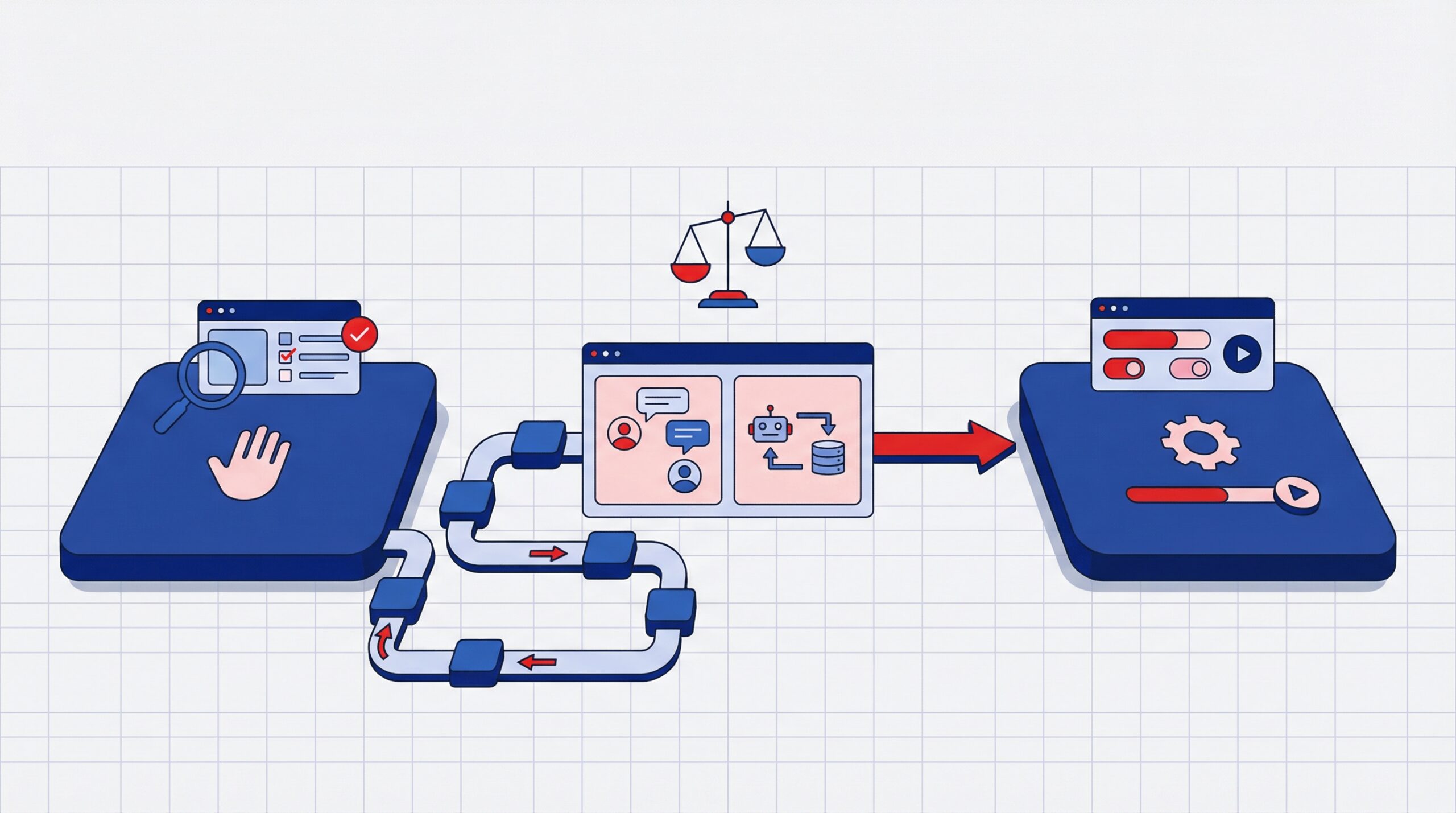
Software testing involves evaluating an application’s functionality, performance, and security to identify and address any flaws before it reaches end users. The two primary approaches to testing are manual software testing and automated testing.
Manual Software Testing
Manual testing involves human testers executing test cases to evaluate an application’s functionality and user experience. This approach is crucial for detecting issues in complex workflows, user interface (UI) inconsistencies, and usability challenges. It allows testers to think from the user’s perspective, making it indispensable for ensuring a seamless experience.
Manual testing is ideal for:
- Exploratory testing, where specifications may not be well-defined.
- Testing dynamic user interfaces.
- Small projects with changing requirements.
Automated Software Testing
Automated testing leverages tools and scripts to execute repetitive and large-scale test cases quickly and accurately. This approach is highly effective for regression testing, load testing, and performance analysis. By automating routine tasks, organizations can focus on more complex testing scenarios.
Automated testing excels in:
- Reducing human error.
- Performing extensive and repeated tests.
- Improving efficiency for large projects with frequent updates.
The Benefits of Combining Manual and Automated Testing
- Comprehensive Coverage: While manual testing is essential for subjective assessments like UI/UX, automated testing ensures precision and thoroughness in large datasets and repetitive tasks. Together, they provide holistic testing coverage.
- Enhanced Product Quality: The combined approach identifies functional, performance, and usability issues, ensuring a polished and reliable product.
- Reduced Time-to-Market: Automation accelerates repetitive testing cycles, while manual testing ensures quality assurance for unique cases, reducing overall development time.
- Cost-Efficiency: Automated testing reduces long-term costs by minimizing manual effort for repetitive tasks, while manual testing optimizes user-centric evaluations.
How AcmeMinds Helps Businesses Achieve Excellence
As a top software testing company, AcmeMinds specializes in providing both manual and automated software testing services to deliver robust and reliable digital solutions. AcmeMinds leverages a balanced testing approach to enhance product quality and reduce time-to-market.
- Expertise in Manual Testing
AcmeMinds’ team of experienced testers ensures every aspect of the application is user-friendly and functional. By simulating real-world scenarios, they identify usability issues and workflow gaps that automated tools might overlook. - Advanced Automated Testing Tools
Using cutting-edge testing tools, AcmeMinds accelerates regression testing, performance testing, and load testing. Automation scripts are tailored to the client’s unique requirements, ensuring maximum efficiency and accuracy. - Customized Testing Strategies
Every project is different, and AcmeMinds designs customized testing strategies to meet specific business goals. This ensures optimal resource allocation and thorough quality assurance for every stage of development. - Scalable Testing Solutions
Whether it’s a startup or an enterprise, AcmeMinds scales its testing services to match the scope and complexity of the project, providing seamless support for evolving needs.
Conclusion
Combining manual and automated software testing is the key to delivering high-quality software products within tight timelines. By addressing both user-centric and technical aspects of testing, businesses can reduce defects, improve performance, and achieve faster releases.
AcmeMinds, with its expertise in comprehensive testing strategies, helps organizations achieve these goals, ensuring products that not only meet but exceed user expectations. Partnering with AcmeMinds means leveraging top-tier testing services to stay ahead in today’s competitive digital market.
FAQs
1. Why is software testing important in product development?
Software testing ensures that applications function correctly, perform efficiently, and remain secure before reaching users. It helps identify defects early, improves product reliability, protects brand reputation, and reduces the risk of costly failures after launch.
2. What is the difference between manual and automated software testing?
Manual testing is performed by human testers to evaluate usability, UI consistency, and complex user workflows. Automated testing uses tools and scripts to execute repetitive and large-scale tests quickly, making it ideal for regression, performance, and load testing.
3. When should manual software testing be prioritized?
Manual testing should be prioritized for exploratory testing, dynamic user interfaces, usability validation, and projects with frequently changing requirements. It is especially valuable when human judgment and real-user perspective are critical.
4. When is automated software testing most effective?
Automated testing is most effective for repetitive test cases, regression testing, performance testing, and large projects with frequent updates. It improves test accuracy, reduces human error, and accelerates testing cycles.
5. What are the benefits of combining manual and automated testing?
Combining manual and automated testing provides comprehensive coverage by addressing both user-centric and technical aspects. This hybrid approach improves product quality, reduces time-to-market, enhances test efficiency, and optimizes long-term testing costs.
6. How does AcmeMinds support businesses with software testing?
AcmeMinds delivers end-to-end manual and automated testing services, including customized testing strategies, advanced automation frameworks, and scalable solutions. By aligning testing with business goals, AcmeMinds helps ensure high-quality, reliable software and faster releases.
More on DevOps
Manual vs Automated Testing: Choose the Best Fit for Your Product